
Technology has revolutionized nearly every aspect of our lives, and healthcare is no exception. Among the most impactful innovations of recent years are smart wearables—devices that can be worn on the body to monitor health, track activities, and even detect medical emergencies. From tracking heart rhythms with ECG sensors to monitoring the quality of sleep, smart wearables are transforming how individuals and healthcare providers manage wellness and disease prevention.
The Rise of Smart Wearables in Healthcare
Initially, wearables were primarily designed for fitness enthusiasts to count steps, track calories, or measure workouts. However, with advancements in sensor technology, artificial intelligence, and connectivity, these devices have evolved into powerful health monitoring tools. Today’s smart wearables can track vital signs, heart health, sleep patterns, blood oxygen levels, stress, and more, bridging the gap between personal wellness and professional medical care.
This shift has made wearables not only lifestyle accessories but also critical tools in preventive healthcare and chronic disease management.
Key Features of Smart Wearables in Healthcare
1. Electrocardiogram (ECG) Monitoring
ECG-enabled wearables, such as smartwatches and chest straps, can detect irregular heart rhythms, arrhythmias, and atrial fibrillation (AFib) in real time. Traditionally, patients needed clinical ECG machines for such tests, but wearables now allow continuous monitoring without hospital visits.
- Benefits include early detection of cardiovascular issues, timely alerts, and sharing health data with doctors remotely.
2. Heart Rate and Blood Pressure Monitoring
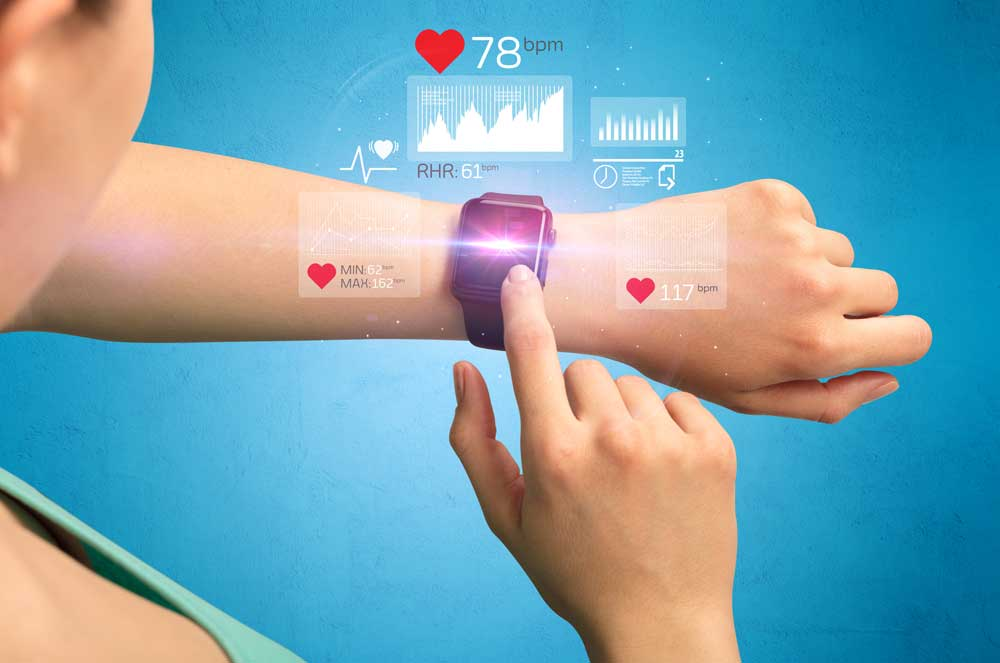
Smart wearables continuously measure resting heart rate (RHR), exercise heart rate, and sometimes blood pressure. This helps in identifying abnormalities like tachycardia or bradycardia and supports athletes in optimizing performance.
3. Sleep Tracking and Sleep Apnea Detection
Sleep monitoring is among the most popular features. Wearables analyze sleep duration, sleep cycles (REM, deep, light sleep), and disturbances. Some advanced devices can even detect sleep apnea risk by tracking oxygen saturation levels (SpO2) and breathing patterns. This is crucial since untreated sleep apnea can lead to severe cardiovascular and metabolic issues.
4. Blood Oxygen (SpO2) and Respiratory Rate Tracking
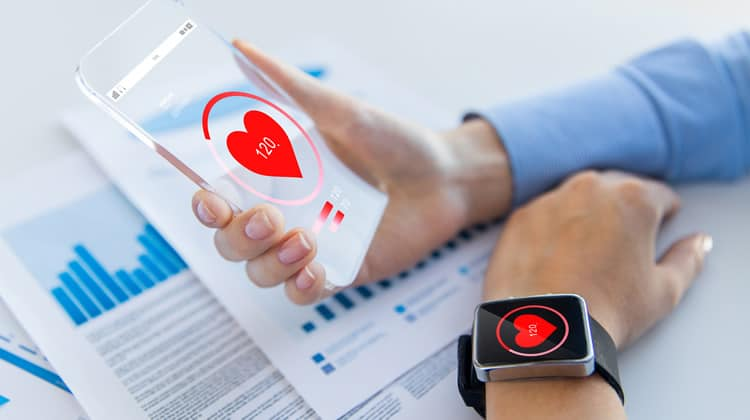
Especially during the COVID-19 pandemic, monitoring oxygen saturation became vital. Many wearables now come with pulse oximetry sensors, providing insights into lung health and respiratory performance. Continuous SpO2 monitoring helps in managing conditions like asthma, COPD, and sleep-related breathing disorders.
5. Stress and Mental Health Tracking
Through heart rate variability (HRV), temperature sensors, and skin conductance, smart wearables can estimate stress levels and offer relaxation guidance, such as breathing exercises or meditation reminders. This adds a mental health dimension to healthcare monitoring.
6. Glucose Monitoring (Emerging Technology)
Non-invasive blood glucose monitoring is currently under research and development, with companies working toward wearables that track glucose levels without painful finger pricks. Once commercialized, this will revolutionize diabetes management.
The Benefits of Smart Wearables in Healthcare
- Early Detection of Diseases – Real-time monitoring allows the identification of warning signs before conditions worsen.
- Personalized Healthcare – Wearables provide insights into lifestyle habits, helping individuals and doctors tailor care plans.
- Remote Patient Monitoring – Data can be shared with healthcare providers, reducing unnecessary hospital visits and enabling telemedicine integration.
- Improved Patient Engagement – Users feel more responsible for their health when they can visualize progress and metrics.
- Cost-Effective Healthcare – Preventing diseases or detecting them early reduces long-term treatment costs.
Challenges and Concerns
While smart wearables are promising, they come with certain challenges:
- Accuracy – Consumer-grade sensors may not always match clinical equipment precision.
- Data Privacy – Sensitive health data needs strong cybersecurity to avoid misuse.
- User Compliance – Effectiveness depends on users wearing devices consistently and interpreting results correctly.
- Cost – Premium devices can be expensive, limiting accessibility for some populations.
The Future of Smart Wearables in Healthcare
The future is moving toward more advanced, AI-driven wearables capable of predictive health analysis. Integration with electronic health records (EHRs), 5G connectivity, and cloud platforms will enable doctors to monitor patients continuously, leading to personalized medicine and preventive care on a large scale. We can expect wearables to play an even bigger role in chronic disease management, elderly care, and emergency response systems.
Conclusion
From ECG monitoring to sleep tracking, smart wearables have transformed healthcare into a more proactive, personalized, and preventive system. These devices empower individuals to take control of their health while supporting doctors in delivering better care. As technology continues to advance, wearables will become an integral part of modern healthcare, making medicine not just reactive but predictive and preventive.