The Rise of Smart Homes How IoT Devices Are Reshaping Modern Living
Technology has always played a role in shaping human lifestyles, but the rapid growth of the Internet of Things (IoT) has transformed the way we live, work, and interact with our surroundings. Smart homes, powered by IoT devices, are no longer futuristic concepts—they are an evolving reality that is making modern living more convenient, secure, and energy-efficient.
From voice-activated assistants and connected appliances to AI-driven security systems, IoT is building a living environment that responds to human needs in real time. This blog explores the rise of smart homes, their key applications, benefits, challenges, and the future they promise.
1. What Are Smart Homes?
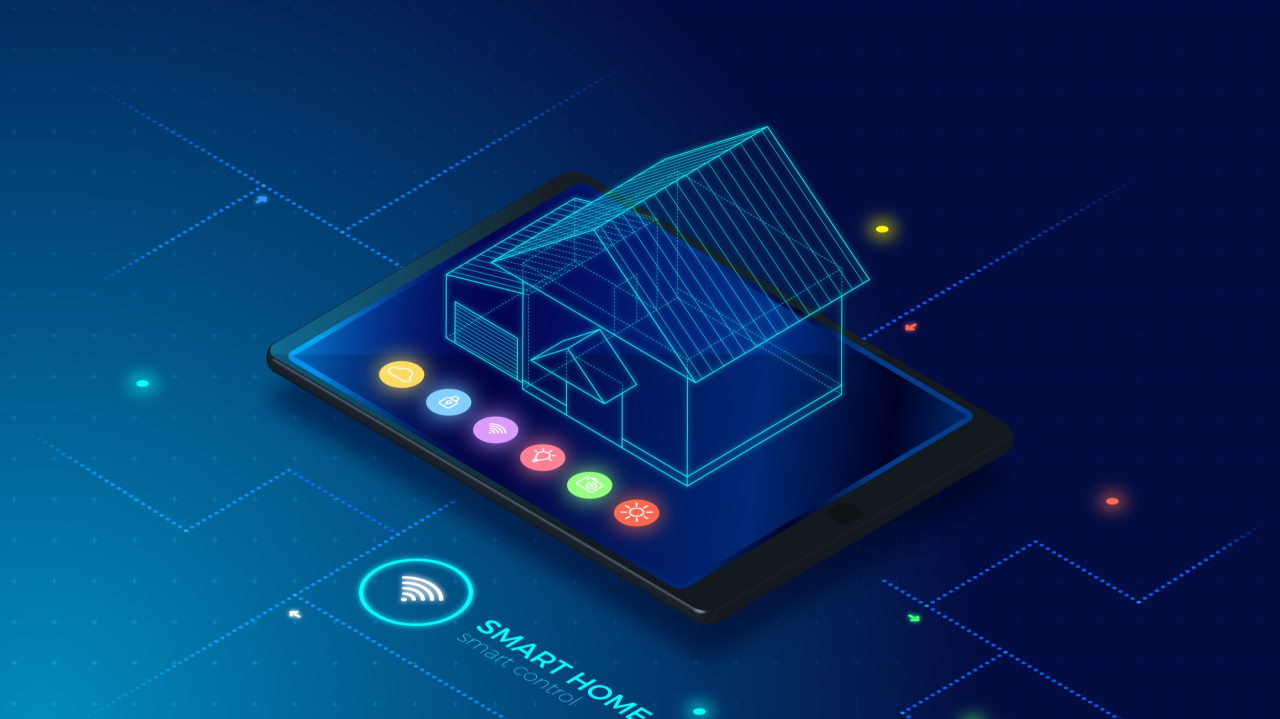
A smart home is a residence equipped with IoT-enabled devices that can communicate with each other and be controlled remotely. These devices use sensors, connectivity, and AI to provide automation, real-time monitoring, and personalized experiences.
Examples include:
- Smart lighting systems that adjust brightness based on natural light.
- Thermostats that learn a household’s routine and optimize energy usage.
- Smart locks and cameras for enhanced home security.
2. IoT in Everyday Smart Home Applications
a) Smart Assistants and Voice Control
Devices like Amazon Alexa, Google Home, and Apple Siri allow users to control appliances, lights, and music with simple voice commands.
b) Smart Appliances
Refrigerators that notify you when groceries run low, washing machines that operate during off-peak hours, and ovens you can preheat from your phone—all are reshaping convenience.
c) Home Security
IoT-based security systems use cameras, motion detectors, and alarms. These can be monitored remotely, giving homeowners peace of mind.
d) Energy Management
Smart thermostats (Nest, Ecobee) and smart plugs optimize energy usage, reducing electricity bills and promoting sustainability.
e) Entertainment Systems
Smart TVs, speakers, and streaming devices create immersive experiences tailored to user preferences.
3. Benefits of Smart Homes
- Convenience – Automating daily tasks saves time and effort.
- Energy Efficiency – Intelligent systems reduce wastage and support eco-friendly living.
- Security – Real-time alerts and remote monitoring protect property and lives.
- Cost Savings – Optimized energy usage leads to lower bills in the long run.
- Accessibility – Assists elderly and disabled individuals by simplifying everyday tasks.
4. Challenges in Smart Homes
- Privacy and Security Risks: IoT devices can be vulnerable to hacking if not properly secured.
- High Initial Costs: Setting up a smart home requires significant investment.
- Compatibility Issues: Devices from different brands may not always integrate seamlessly.
- Technology Dependence: Over-reliance on IoT can disrupt routines during system failures.
5. Future of Smart Homes
The future of smart homes lies in AI integration, 5G connectivity, and edge computing. These advancements will allow devices to process data faster, predict user needs, and create even more personalized experiences.
Upcoming trends include:
- Smart Health Devices: Monitoring vital signs and alerting doctors in emergencies.
- Sustainable Smart Homes: Solar-powered systems integrated with IoT for energy independence.
- Robotics: Smart robots handling cleaning, caregiving, and household tasks.
- Community Integration: Smart neighborhoods where homes share energy and resources efficiently.
Conclusion
Smart homes are not just about luxury—they represent the future of safe, sustainable, and intelligent living. By combining convenience with efficiency, IoT devices are reshaping modern households into responsive ecosystems. While challenges like privacy and costs remain, the benefits of smart homes are too significant to ignore. As technology evolves, smart living will soon become the global standard for households.