🌍 Introduction
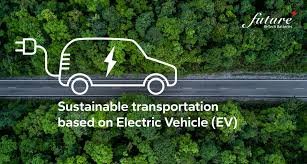
The 21st century is witnessing a massive transformation in the way we travel. With increasing concerns about climate change, global warming, air pollution, and fossil fuel depletion, the world is turning towards sustainable transport solutions. At the heart of this transformation are Electric Vehicles (EVs), supported by advancements in green technologies such as renewable energy integration, smart grids, and eco-friendly materials.
Electric vehicles are not just a trend; they represent a paradigm shift in global mobility. By reducing carbon emissions, promoting clean energy, and reshaping industries, EVs have the potential to redefine transportation as we know it.
🔋 Why Electric Vehicles?
- Environmental Benefits
- EVs produce zero tailpipe emissions, significantly reducing urban air pollution.
- According to the International Energy Agency (IEA), widespread adoption of EVs can cut global CO₂ emissions by billions of tons annually.
- EVs align with global climate goals, including the Paris Agreement to limit temperature rise below 1.5°C.
- Cost Efficiency
- Although the initial purchase cost may be higher, EVs offer lower running and maintenance costs.
- Charging an EV is often cheaper than refueling with petrol or diesel.
- Fewer moving parts mean less wear and tear compared to internal combustion engines.
- Energy Independence
- EVs reduce reliance on imported fossil fuels.
- Countries can integrate EV charging with locally produced renewable energy such as solar and wind power.
⚡ Green Technology Driving EV Growth
- Battery Innovations
- Lithium-ion batteries dominate today, but research in solid-state batteries promises higher efficiency, safety, and longer ranges.
- Recycling and reusing EV batteries are becoming critical parts of a circular economy.
- Renewable Energy Integration
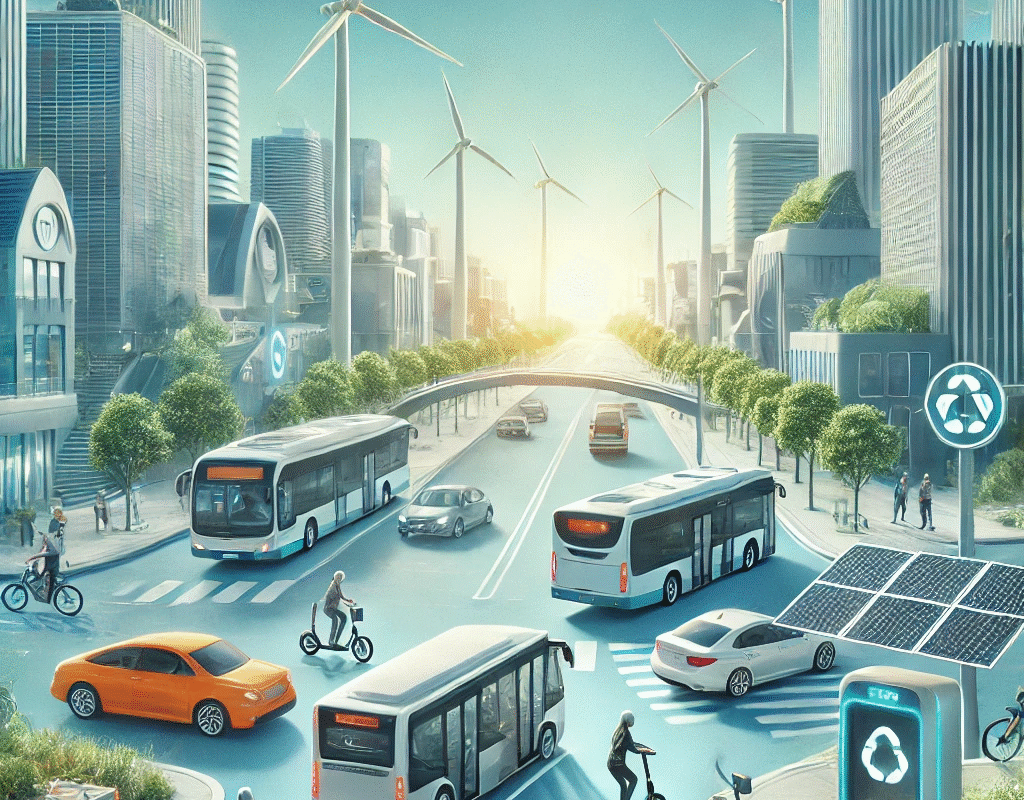
- Solar-powered charging stations are emerging worldwide.
- Countries like Norway, Germany, and China are integrating EVs with smart grids, making transportation fully dependent on green energy.
- Smart Infrastructure
- Rapid deployment of fast-charging networks makes EVs more practical for long-distance travel.
- Smart charging systems help balance energy demand and prevent grid overload.
- Eco-Friendly Manufacturing
- Automakers are now focusing on using sustainable materials such as recycled plastics, plant-based fibers, and lightweight composites.
- Factories are powered by renewable energy to ensure the entire EV lifecycle is sustainable.
🌱 EVs and Urban Sustainability
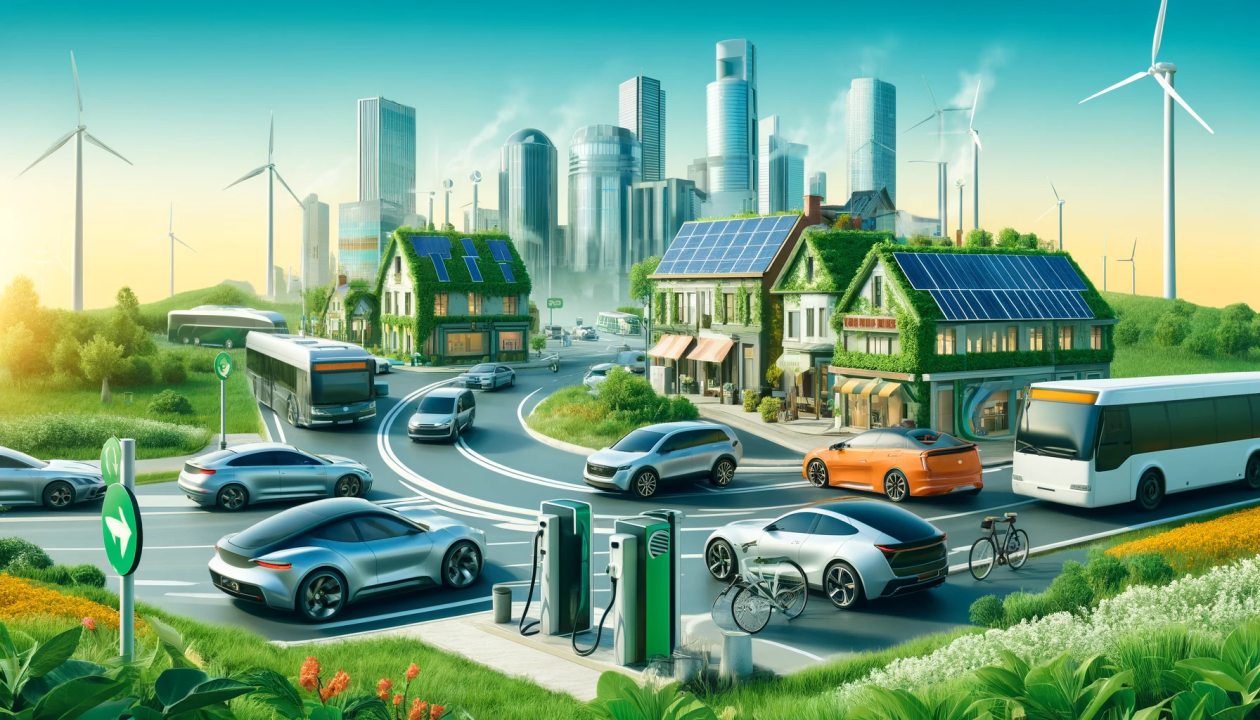
- Cities worldwide are adopting green mobility policies.
- Introduction of EV-only zones, incentives for EV buyers, and investments in public charging infrastructure are common.
- EVs reduce noise pollution, making cities quieter and healthier.
🚀 Future Trends of EVs and Green Technology
- Autonomous Electric Vehicles – Combining EVs with AI-powered self-driving technology for safer and more efficient transport.
- Vehicle-to-Grid (V2G) Systems – EVs will not only consume energy but also feed electricity back to the grid, stabilizing power supply.
- Hydrogen Fuel Cells – Another form of green transport gaining momentum alongside EVs.
- Global EV Adoption – By 2030, it is projected that over 125 million EVs will be on the road worldwide.
- Government Policies & Incentives – Tax rebates, subsidies, and stricter emission laws will accelerate EV adoption.
🔑 Challenges Ahead
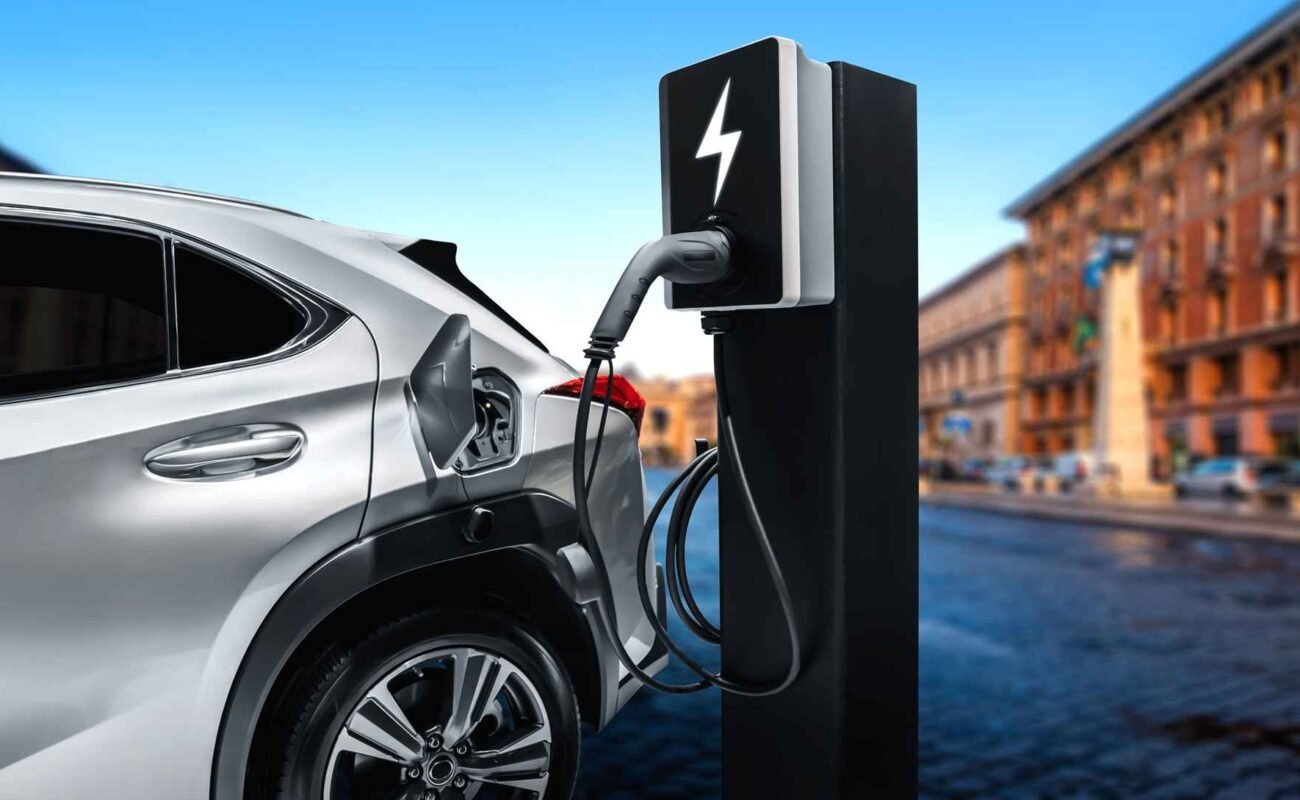
- High upfront costs compared to traditional vehicles.
- Charging infrastructure gaps in developing countries.
- Battery production impact on mining and raw materials.
- Consumer awareness and mindset shift required.
Despite these challenges, EVs combined with green technology innovations remain the most promising solution for achieving sustainable transportation globally.
🌍 Conclusio
Electric Vehicles and green technologies are more than just an innovation – they are a necessity for survival in a rapidly warming world. By embracing EVs, societies can cut emissions, reduce dependence on fossil fuels, and create a cleaner, greener, and healthier future for generations to come.
The future of sustainable transport is not just electric – it is smart, renewable, and interconnected. Governments, businesses, and individuals must unite to accelerate this transformation and ensure that the roads ahead are not only efficient but also environmentally responsible.
📌 Final Thought
The shift towards EVs and green technology is inevitable. Those who adapt early will not only benefit from reduced costs and cleaner air but also contribute to saving the planet. The future is electric, the future is green, and the future starts now.