
Introduction
Technology has always been a driving force behind human progress, but in recent years, Augmented Reality (AR) and Virtual Reality (VR) have emerged as game-changing tools. While AR overlays digital elements onto the real world, VR creates a fully immersive simulated environment. Together, they are reshaping how we learn, play, and train.
From classrooms to gaming arenas and professional training fields, AR and VR are unlocking experiences that were once impossible. Let’s explore their roles in detail.
📘 AR & VR in Education
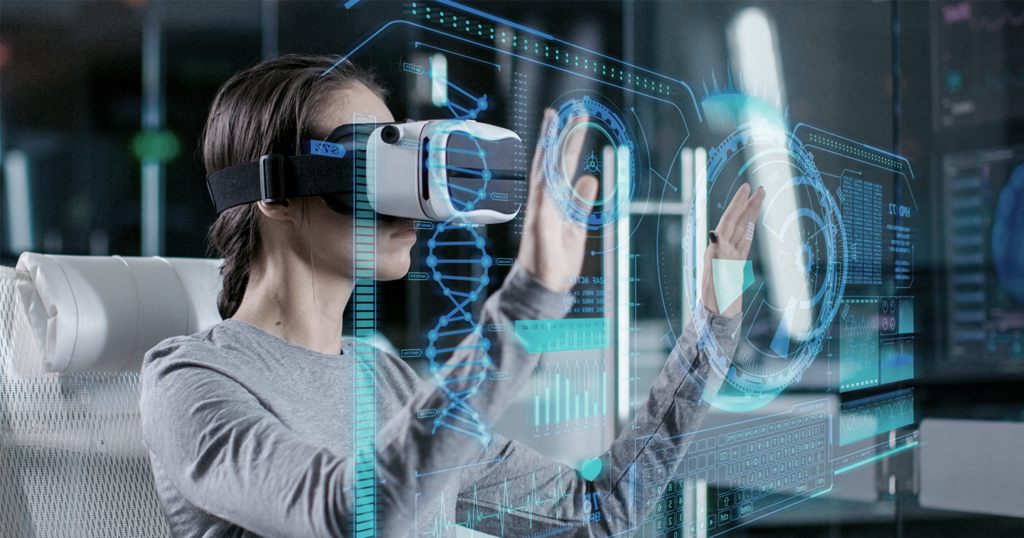
Education is no longer limited to textbooks and traditional lectures. AR and VR have made learning interactive, engaging, and experiential.
- Immersive Classrooms: Students can explore the solar system in 3D, dissect a virtual frog, or walk through historical sites like the Pyramids of Egypt or Ancient Rome.
- Practical Learning: AR enables students to scan diagrams in textbooks, turning them into 3D visuals for better understanding.
- Remote Education: VR classrooms allow global students to attend the same session virtually, making education accessible.
- Medical Training: Medical students can practice complex surgeries in a safe, risk-free VR environment before entering real hospitals.
📌 Impact: According to EDUCAUSE Review, VR learning improves knowledge retention by up to 75% compared to traditional methods.
🎮 AR & VR in Gaming
The gaming industry is one of the earliest and most enthusiastic adopters of AR and VR.
- Immersive Gameplay: VR headsets place players inside the game world, making them active participants instead of passive players.
- AR Mobile Games: Popular AR games like Pokémon GO blend digital characters with real-world surroundings, creating unique experiences.
- Social Interaction: Multiplayer VR platforms allow players from around the world to meet, play, and socialize in virtual spaces.
- Enhanced Realism: AR/VR games track movement, gestures, and even voice commands, creating lifelike experiences.
📌 Impact: The global VR gaming market is projected to reach $92.3 billion by 2027 (Statista).
🛠️ AR & VR in Training and Professional Development
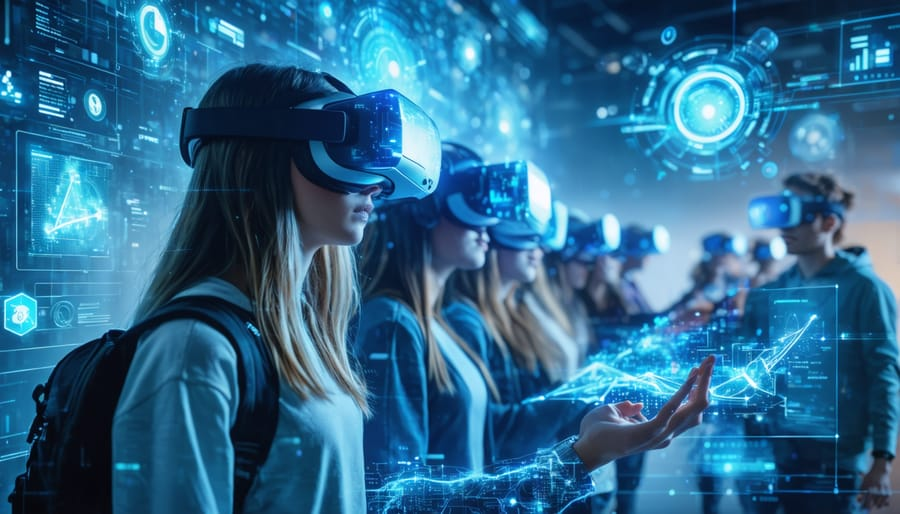
Industries are increasingly adopting AR and VR for training and skill development because of their efficiency and cost-effectiveness.
- Workplace Training: Employees can practice high-risk tasks in VR, such as handling hazardous chemicals, firefighting, or operating heavy machinery.
- Military Training: VR creates simulated battlefields where soldiers practice strategy, teamwork, and emergency response without real danger.
- Healthcare: Doctors use VR to simulate surgeries, while AR assists during live operations by overlaying critical patient data.
- Corporate Sector: VR soft-skill training is used for leadership development, conflict resolution, and customer service simulations.
📌 Impact: A PwC study revealed that employees trained with VR are 4 times faster than in traditional classroom training.
🚀 The Future of AR and VR
The future looks promising with AR and VR becoming part of everyday life. Integration with AI (Artificial Intelligence), 5G networks, and IoT (Internet of Things) will push these technologies further.
- Education: VR universities and AR textbooks becoming mainstream.
- Gaming: More realistic haptic feedback suits for an even deeper experience.
- Training: VR becoming mandatory for safety-critical industries like aviation, oil & gas, and healthcare.
Conclusion
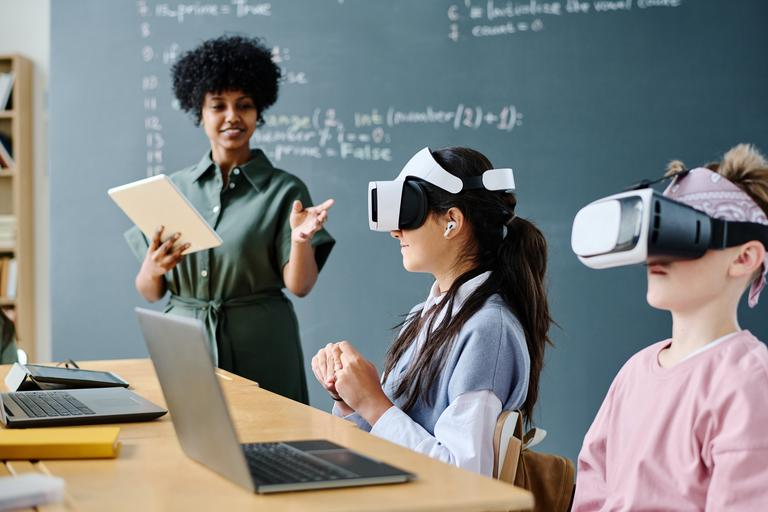
AR and VR are not just futuristic technologies; they are practical tools shaping the present. By enhancing education, gaming, and training, they are bridging the gap between imagination and reality. As these technologies evolve, their adoption will continue to grow, leading to smarter, safer, and more engaging experiences for everyone.