

In today’s rapidly evolving digital landscape, technology is no longer limited to borders, it transcends geography, connects cultures, and creates new possibilities for economic growth. While much of the global spotlight has traditionally been on Silicon Valley, China, or Europe, an emerging hub of technological innovation is quietly making its mark: Pakistan. Once seen primarily as a developing economy, Pakistan is now actively bridging global innovation with local solutions, positioning itself as a key player in the 21st-century tech revolution.
1. The Global Tech Revolution – A Quick Snapshot
The past two decades have been transformative, driven by innovations in artificial intelligence (AI), blockchain, Internet of Things (IoT), fintech, renewable energy, cloud computing, and cybersecurity. Globally, industries are shifting from manual to automated systems, from physical markets to digital ecosystems, and from localized business models to borderless commerce.
Some of the leading trends include:
- AI & Machine Learning: Powering everything from predictive healthcare to self-driving cars.
- Blockchain: Reinventing financial transactions, supply chains, and even voting systems.
- IoT & Smart Cities: Creating connected ecosystems where devices communicate seamlessly.
- 5G & Connectivity: Redefining how we interact with data in real time.
- Green & Sustainable Tech: Driving innovation in energy, waste reduction, and environmental management.
Pakistan’s challenge and opportunity is to localize these global innovations and apply them to unique national needs, such as education, agriculture, healthcare, and governance.
2. Pakistan’s Digital Transformation Journey
Pakistan’s digital journey has accelerated in the last decade, fueled by a young population, growing internet penetration, and the government’s initiatives to digitize governance and public services. According to the Pakistan Telecommunication Authority (PTA), the country has over 124 million internet users and over 193 million mobile subscribers as of 2025. This rising connectivity is the backbone of digital adoption.
Key initiatives driving this transformation include:
- Digital Pakistan Vision: A government-backed initiative to increase digital literacy, promote e-governance, and strengthen the IT economy.
- National Incubation Centers (NICs): Supporting startups with mentorship, funding, and infrastructure.
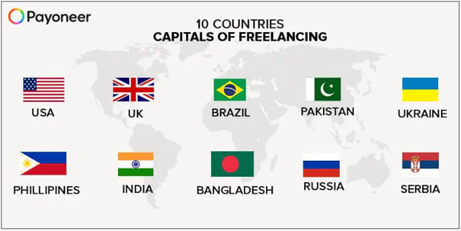
- Freelance Economy Growth: Pakistan is now among the top 5 freelance markets in the world, contributing millions of dollars in IT exports annually.
- E-commerce Expansion: Platforms like Daraz, Foodpanda, and Careem have transformed consumer behavior and spurred local entrepreneurship.
Pakistan is, in essence, at a tipping point where global innovations can be adapted to local challenges.
3. Startups: Local Solutions with Global Inspiration
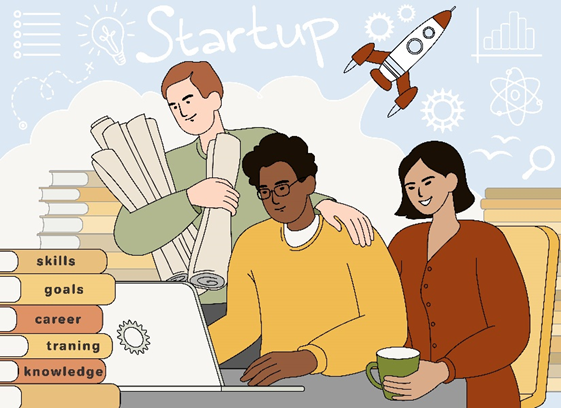
The startup ecosystem in Pakistan is thriving, fueled by global innovation trends and local problem-solving. Venture capital inflows into Pakistan have grown substantially, with tech startups receiving millions in funding across fintech, edtech, healthtech, and agritech.
Some notable examples include:
- Fintech: Companies like Easypaisa and JazzCash have revolutionized digital payments for the unbanked population. Inspired by global fintech trends, they solved a deeply local challenge—financial inclusion.
- EdTech: Startups such as Taleemabad and Edkasa provide affordable digital learning solutions, bringing quality education to underserved regions.
- HealthTech: Platforms like Sehat Kahani are bridging gaps in healthcare access by connecting patients with certified doctors online.
- AgriTech: Startups like BaKhabar Kissan are modernizing farming with weather predictions, crop health insights, and market trends, improving farmer productivity.
These ventures highlight how global tech ideas are being tailored into highly relevant local solutions.
4. Pakistan’s Place in the Global Freelance & IT Economy
Pakistan has become a powerhouse in the global freelance and IT outsourcing industry. Platforms like Upwork, Fiverr, and Freelancer rank Pakistan as one of the fastest-growing markets. With a young and tech-savvy workforce, the country contributes significantly in fields such as:
- Software Development
- Graphic Design
- Digital Marketing
- Data Science & AI Solutions
This global participation not only earns valuable foreign exchange but also exposes local talent to international innovation, bridging the gap between global standards and local expertise.
5. Security Tech & Safe Cities
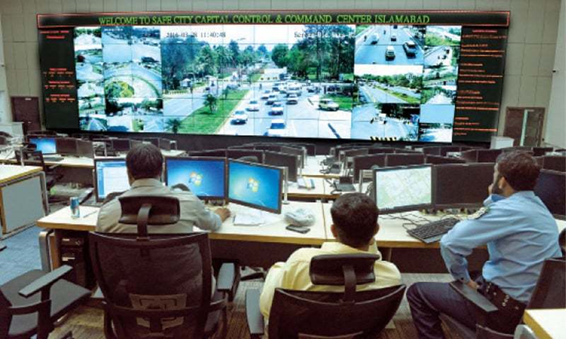
In addition to startups and freelancing, Pakistan is leveraging global innovation in security technology to create safer urban environments. With rising urbanization, initiatives like Safe City Projects in Lahore and Islamabad are integrating surveillance systems, IoT-based monitoring, and AI-driven analytics. These reflect how global technologies are localized to improve governance, law enforcement, and public safety.
6. Challenges in Bridging Global with Local
While the opportunities are immense, Pakistan still faces challenges in fully capitalizing on the global tech revolution:
- Infrastructure Gaps: Limited access to reliable electricity and internet in rural areas.
- Digital Divide: Disparities in digital literacy between urban and rural populations.
- Investment Constraints: Though improving, venture capital investment still lags behind regional peers.
- Policy & Regulation: Unclear frameworks for emerging technologies such as crypto and blockchain.
Overcoming these challenges requires coordinated efforts from government, private sector, academia, and international partners.
7. The Way Forward – Unlocking Pakistan’s Tech Potential
Pakistan’s role in the tech revolution will continue to grow if the country can leverage its human capital and align with global innovation trends. Some strategies include:
- Strengthening STEM Education: Equipping youth with advanced technical skills in AI, robotics, and cybersecurity.
- Encouraging Public-Private Partnerships: Building sustainable ecosystems for startups and innovation.
- Expanding 5G Infrastructure: Ensuring that connectivity keeps up with global advancements.
- Promoting Digital Exports: Expanding IT and freelance exports beyond $5 billion annually.
- Sustainability in Tech: Encouraging startups that address climate change, renewable energy, and water conservation.
By focusing on these priorities, Pakistan can emerge not just as a follower but as a leader in localized technology solutions.
8. Conclusion – Pakistan in the Global Tech Map
The global tech revolution is not exclusive to developed nations; it is a shared movement that thrives on diverse perspectives and localized problem-solving. Pakistan’s growing digital ecosystem, thriving startup culture, expanding freelance economy, and government-backed digital initiatives demonstrate that the country is actively bridging global innovation with local solutions.
With a young, ambitious, and increasingly skilled workforce, Pakistan is well on its way to becoming a critical player in the global digital economy. The transformation is not without challenges, but the opportunities far outweigh the risks. The story of Pakistan’s tech journey is not just about catching up with the world—it is about contributing uniquely to the global innovation narrative.
In bridging global innovation with local solutions, Pakistan is proving that the tech revolution is truly universal—a revolution where every nation has a role to play, and every local challenge can inspire a global solution.