
Space has always fascinated humankind, from ancient stargazing to modern-day interplanetary missions. Today, space technology is not only expanding our knowledge of the universe but also shaping life on Earth. From satellites that power our GPS and communication systems to ambitious Mars missions aiming to colonize another planet, space technology has become central to science, business, and global security. This blog explores satellites, Mars missions, and the promising future of space travel.
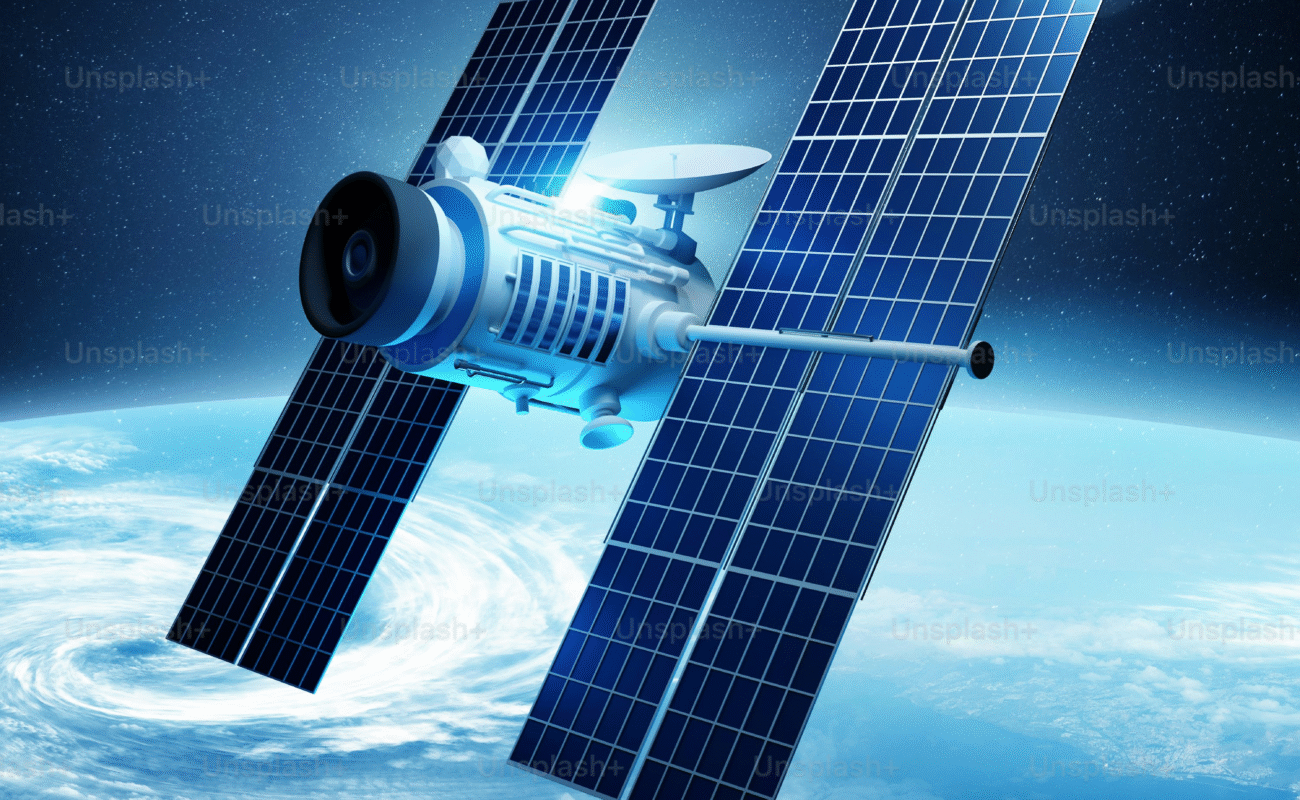
???? 1. What is Space Technology?
Space technology refers to the tools, machines, and systems designed for exploring outer space and using it to benefit life on Earth. It includes:
- Satellites
- Spacecraft
- Space stations
- Rockets and propulsion systems
- Rovers, landers, and probes
???? 2. The Role of Satellites in Modern Life
Satellites are one of the most practical achievements of space technology. Their applications include:
- Communication: Internet, television, and phone services
- Navigation: GPS for transport, aviation, and shipping
- Earth Observation: Weather forecasting, disaster monitoring, and climate research
- Military Use: Surveillance, defense communication, and strategic planning
Without satellites, modern society would lose many of its conveniences and safety systems.
???? 3. Mars Missions – Humanity’s Next Giant Leap
Mars has long been the focus of space exploration due to its Earth-like conditions. Recent missions include:
- NASA’s Perseverance Rover – Searching for signs of ancient microbial life.
- SpaceX Starship Program – Elon Musk’s vision for human settlement on Mars.
- Mars Orbiter Missions (India, UAE, China) – Expanding global participation in planetary science.
Goals of Mars exploration:
- Study the planet’s geology and atmosphere
- Search for past or present life
- Develop technology for human colonization
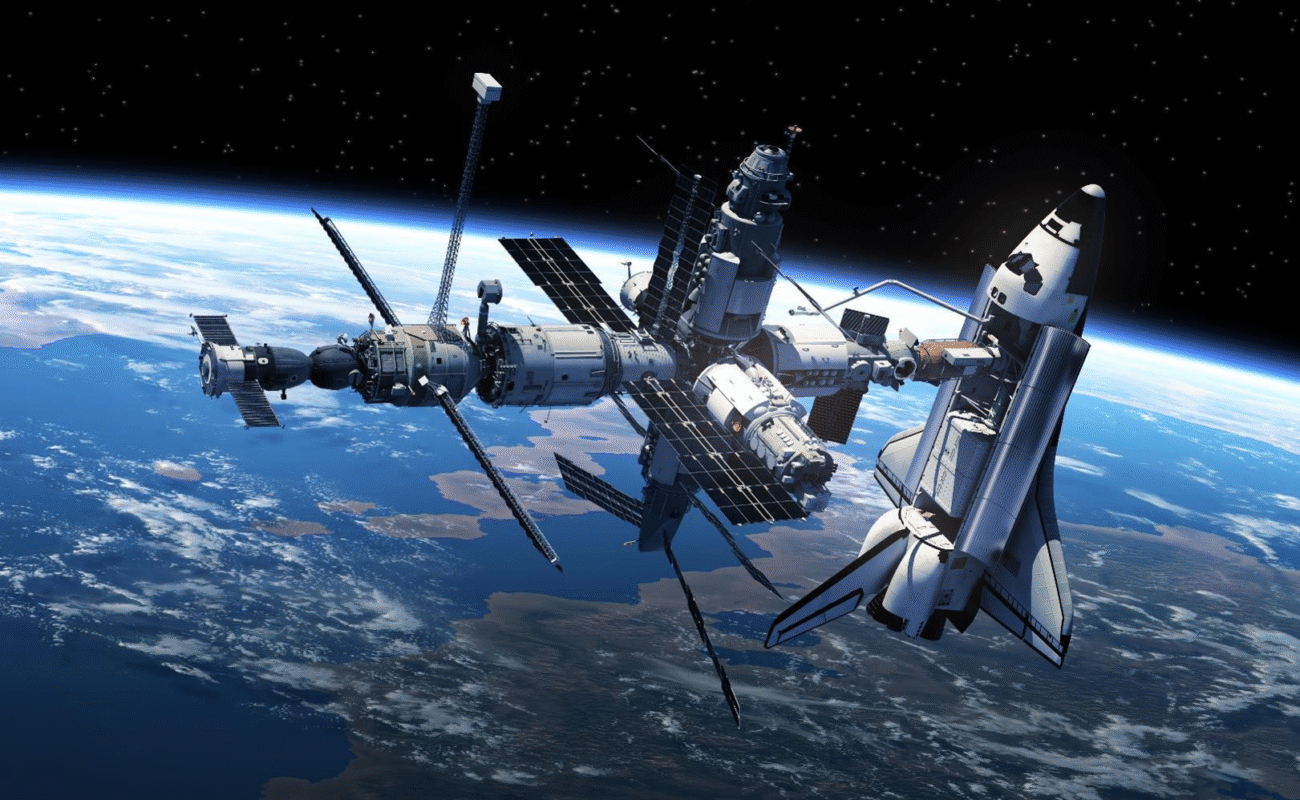
???? 4. The Future of Space Travel
Space travel is no longer limited to government agencies like NASA or ESA—private companies are taking the lead. The future holds exciting possibilities:
- Space Tourism: Companies like Blue Origin and Virgin Galactic are already offering commercial space flights.
- Moon Bases: NASA’s Artemis program aims to establish a sustainable human presence on the Moon.
- Interplanetary Colonization: Mars is the most likely candidate for a second home for humanity.
- Asteroid Mining: Future missions may extract valuable metals and minerals from asteroids.
- Deep Space Exploration: AI-driven spacecraft will explore beyond our solar system.
???? 5. Challenges in Space Exploration
While the future looks promising, challenges remain:
- ???? High cost of space missions
- ⚠️ Health risks for astronauts (radiation, microgravity)
- ???? Technical limitations in propulsion and energy
- ????️ Space debris and orbital pollution
- ???? International cooperation and space law
???? 6. Why Space Technology Matters for Earth
Space exploration is not just about curiosity—it provides real benefits:
- Better climate and weather monitoring
- Improved global communications
- Technological innovations (materials, robotics, AI)
- Inspiring future generations in STEM fields
???? Conclusion
Space technology is driving humanity into a new era of discovery and innovation. Satellites have already transformed life on Earth, Mars missions are paving the way for interplanetary living, and space travel is becoming more accessible through private ventures. Though challenges exist, the possibilities are limitless. The future of space exploration is not just about reaching the stars—it’s about securing humanity’s place in the universe.