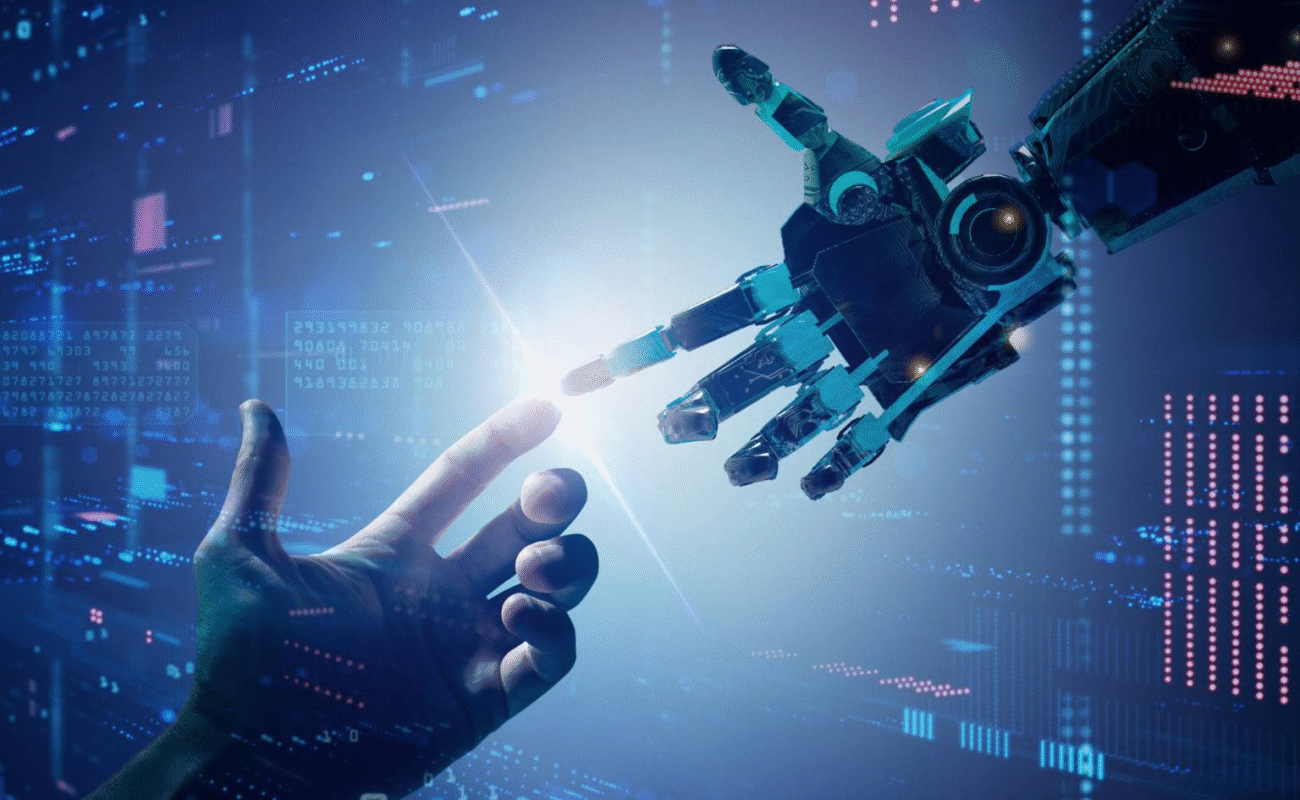
In today’s fast-paced digital era, robotics and automation are no longer futuristic concepts — they are an integral part of modern industries. From manufacturing plants to healthcare, agriculture to logistics, robots are revolutionizing how work is performed. This transformation is creating endless opportunities while also raising new challenges about jobs, skills, and the future of human work.
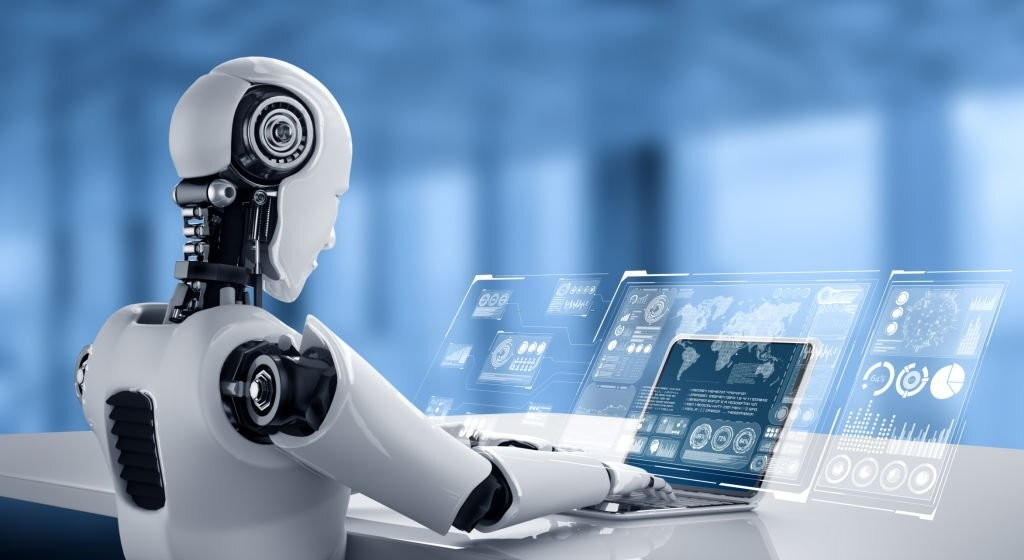
???? What is Robotics and Automation?
- Robotics refers to the design, creation, and use of machines (robots) that can perform tasks traditionally carried out by humans.
- Automation is the use of technology to perform repetitive, predictable tasks with minimal human intervention.
When combined, robotics and automation enhance productivity, reduce errors, improve efficiency, and allow businesses to scale operations faster than ever before.
???? Industries Being Transformed by Robotics
1. Manufacturing
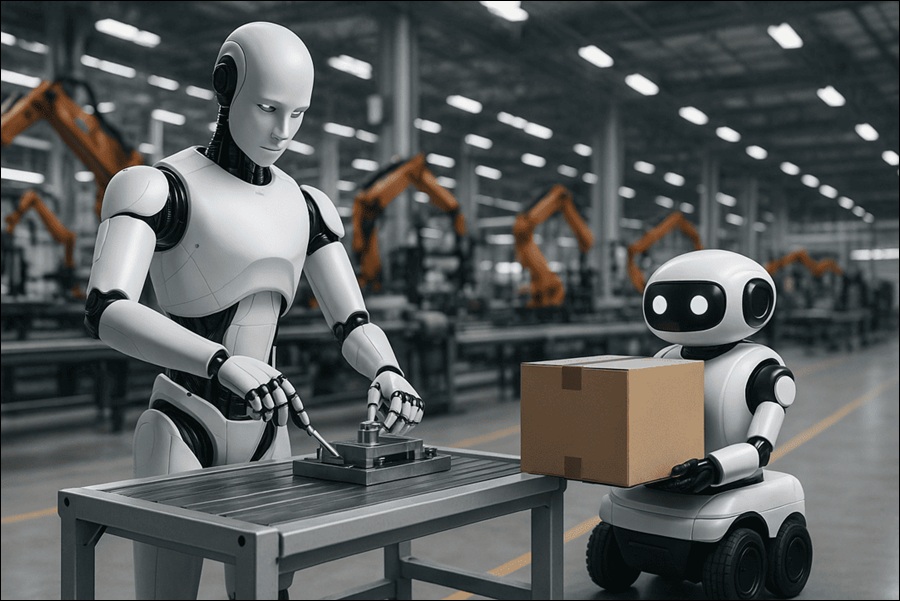
Manufacturing is the backbone of industrial robotics. Robots perform welding, assembly, painting, and packaging with precision and speed. This ensures high-quality production, consistency, and reduced labor costs. Companies like Tesla and Toyota heavily rely on automation in their production lines.
2. Healthcare
Robots assist surgeons in performing complex surgeries with accuracy, reducing recovery times for patients. Robotic arms, AI-driven diagnostic tools, and automated drug dispensers are saving lives and reshaping modern healthcare systems.
3. Agriculture
In farming, robots are used for planting, harvesting, spraying, and monitoring crop health. Drones equipped with AI help farmers improve crop yield and manage land efficiently. This “smart farming” is essential to meet the food demands of a growing global population.
4. Logistics and Warehousing
Automation in logistics has transformed supply chain management. Robots handle picking, sorting, packaging, and delivering goods. Amazon’s use of robotic systems in warehouses is a prime example of how automation boosts efficiency and reduces delivery time.
5. Construction
Robots are now being used for bricklaying, 3D printing of buildings, and operating heavy machinery. This not only speeds up construction but also ensures worker safety by reducing human involvement in high-risk tasks.
6. Retail and Customer Service
From self-checkout machines to chatbots and service robots, automation is reshaping the retail experience. Robots are handling inventory management and even assisting customers in stores.
???? Impact on Jobs and Employment
The rise of robotics and automation has sparked debate about the future of jobs. While it’s true that some repetitive roles are being replaced, automation is also creating new opportunities.
- Jobs at risk: Data entry clerks, factory workers, cashiers, and drivers are among the professions most affected by automation.
- New jobs created: Robotics engineers, AI specialists, cybersecurity experts, drone operators, and technicians are in high demand.
- Shift in skills: Workers now require technical skills, problem-solving abilities, and adaptability to remain competitive in an automated world.
Automation does not necessarily mean fewer jobs overall — it means different jobs. The focus is shifting from manual labor to creative, analytical, and technical work.
???? Benefits of Robotics and Automation
- Efficiency: Robots work faster and can operate 24/7 without fatigue.
- Accuracy: Reduces errors and ensures consistent quality.
- Safety: Robots can perform dangerous tasks, keeping humans safe.
- Cost Reduction: Long-term savings due to lower labor costs and fewer mistakes.
- Innovation: Automation enables businesses to explore new technologies and products.
???? Challenges of Robotics and Automation
- Job Displacement: Certain roles may disappear, leaving workers jobless without proper re-skilling.
- High Initial Costs: Setting up robotic systems requires heavy investment.
- Cybersecurity Risks: Automated systems are vulnerable to hacking.
- Dependency on Technology: Over-reliance on robots can reduce flexibility.
- Ethical Concerns: Questions about human replacement and decision-making by machines remain unsolved.
???? The Future of Robotics and Automation
The future will be a blend of human and robotic collaboration. Instead of replacing humans, robots will complement human skills. Collaborative robots (cobots) are already working side by side with people in factories. Artificial Intelligence (AI) will continue to make automation smarter, and the Internet of Things (IoT) will connect machines, creating highly efficient systems.
Governments, industries, and educational institutions need to focus on reskilling the workforce, ensuring that workers are prepared for new opportunities created by robotics and automation.
???? Conclusion
Robotics and automation are not just transforming industries they are reshaping the way we live and work. While challenges exist, the benefits far outweigh the risks if managed wisely. Instead of fearing job loss, societies must embrace this change, prepare workers with new skills, and ensure technology is used for the benefit of all. The future will belong to those who can adapt, innovate, and collaborate with machines.