Introduction
Technology is evolving rapidly, and 5G technology is one of the most revolutionary advancements in modern communication. Fifth Generation (5G) networks go beyond faster internetthey promise ultra-low latency, massive device connectivity, and transformative applications across industries. From autonomous vehicles to smart cities, 5G is shaping the future of digital transformation.
What is 5G Technology?
5G stands for the fifth generation of mobile networks, succeeding 4G LTE. Unlike previous generations that mainly improved speed, 5G is designed to:
- Deliver speeds up to 10 Gbps (nearly 100 times faster than 4G).
- Provide ultra-low latency (as low as 1 millisecond).
- Support massive Internet of Things (IoT) connectivity with billions of devices.
- Enable high reliability and real-time communication.
Key Features of 5G Technology
- High-Speed Data Transfer: Faster downloads, streaming, and cloud access.
- Ultra-Low Latency: Enables real-time responses for gaming, remote surgery, and robotics.
- Massive Connectivity: Supports billions of connected IoT devices.
- Network Slicing: Customizes virtual networks for specific industries.
- Energy Efficiency: Reduces power usage and improves sustainability.
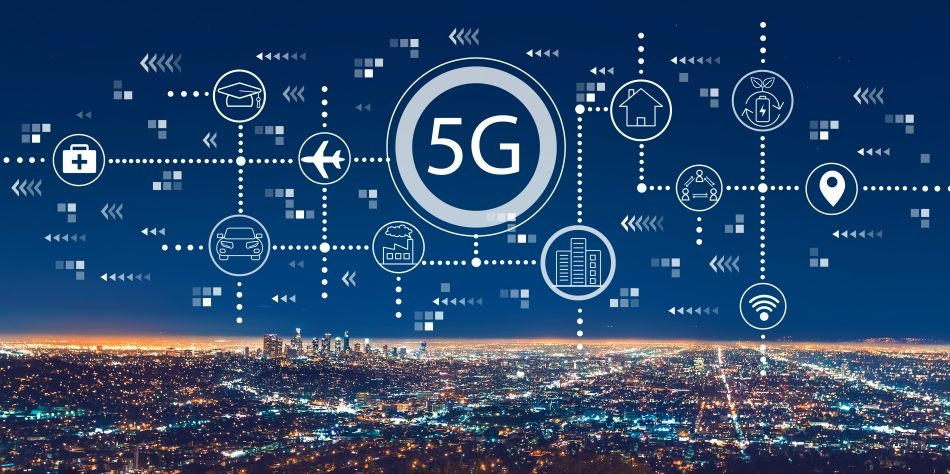
The Future Impact of 5G Technology
1. Smart Cities Development
5G will power smart traffic systems, surveillance, waste management, and energy distribution, making urban life more efficient.
2. Healthcare Revolution
Doctors will use remote surgery, telemedicine, and real-time monitoring with 5G-enabled medical devices. Latency-free connections can save lives.
3. Autonomous Vehicles
Driverless cars rely on instant communication with other vehicles, traffic systems, and cloud servers. 5G ensures safe, real-time decision-making.
4. Enhanced Entertainment & Gaming
5G enables 4K/8K streaming, AR/VR experiences, and cloud gaming with no lag, transforming the entertainment industry.
5. Industrial Automation
Factories will adopt smart robotics, AI, and IoT sensors powered by 5G for greater productivity and predictive maintenance.
6. Education and Remote Work
5G enhances virtual classrooms, AR/VR training, and seamless video conferencing, breaking barriers of distance and connectivity.
7. Agriculture & Smart Farming
IoT-enabled drones and sensors will monitor crops, soil health, and irrigation systems, improving food security.
8. Financial Services
Banks and fintech will benefit from secure, real-time transactions, digital payments, and fraud prevention with 5G-powered networks.
Challenges for 5G Adoption
- High Infrastructure Cost – Deployment of 5G towers and equipment is expensive.
- Security Concerns – More connected devices mean higher cybersecurity risks.
- Geographic Limitations – Rural and underdeveloped areas may face slow adoption.
- Device Compatibility – Consumers need 5G-enabled devices to access the network.
Conclusion
The future of 5G technology is more than just faster internet—it’s about creating a connected, intelligent, and efficient world. From healthcare to transport, education to entertainment, 5G is set to revolutionize every sector of life.
While challenges exist, global investments and innovation are rapidly overcoming barriers. With 5G, humanity is stepping into a new digital era where communication is instant, industries are smarter, and societies are more connected than ever before.