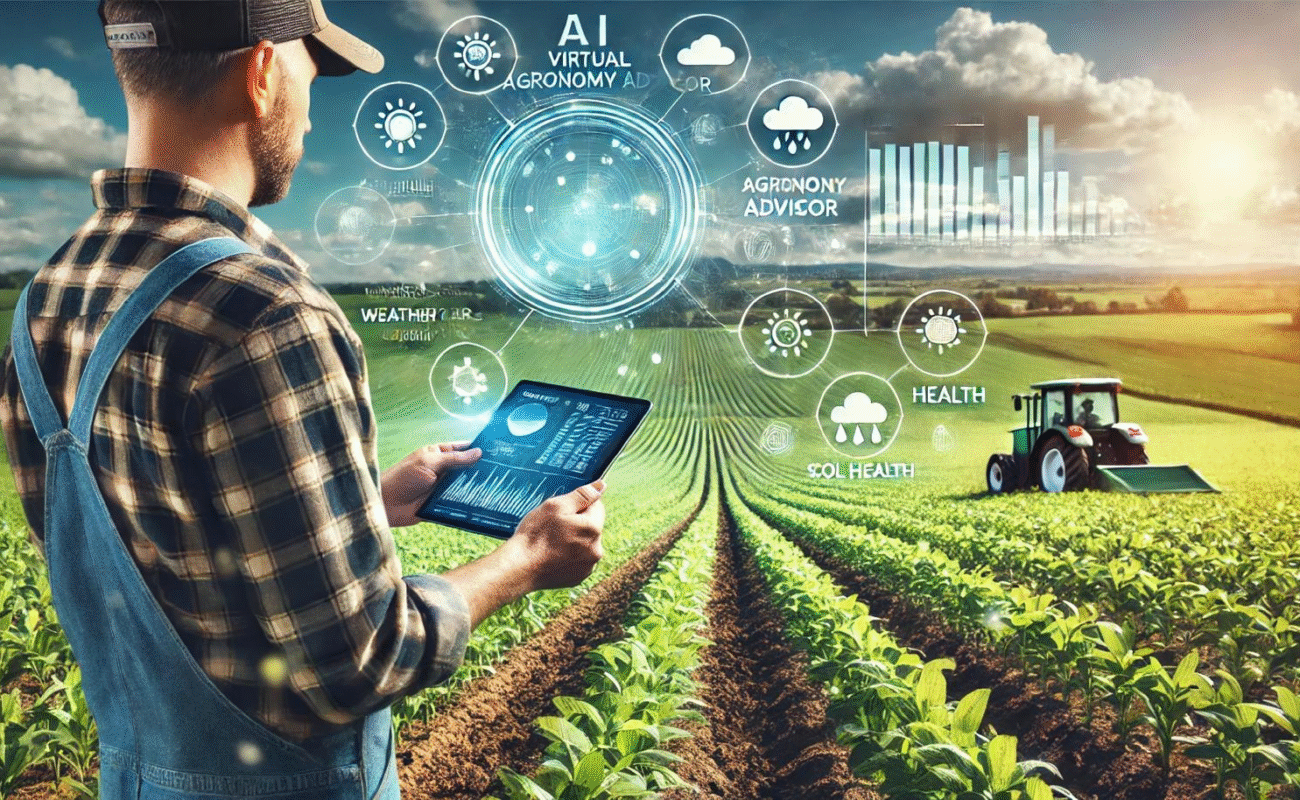
Agriculture has been the backbone of human civilization for centuries. Today, the rise of Artificial Intelligence (AI) is bringing a digital revolution to farming. By integrating AI with modern tools, farmers can increase crop yield, reduce waste, and make agriculture more sustainable. This blog explores how AI is reshaping agriculture and why it’s vital for the future of food security.
🔹 1. Why AI in Agriculture?
The world population is rapidly growing, and with it, the demand for food. Farmers face challenges such as:
- Climate change and unpredictable weather
- Soil degradation and limited fertile land
- Pest infestations and crop diseases
- Rising costs of labor and equipment
AI provides data-driven solutions to predict, prevent, and solve these challenges. It turns traditional farming into “smart farming” by using algorithms, sensors, and machine learning.
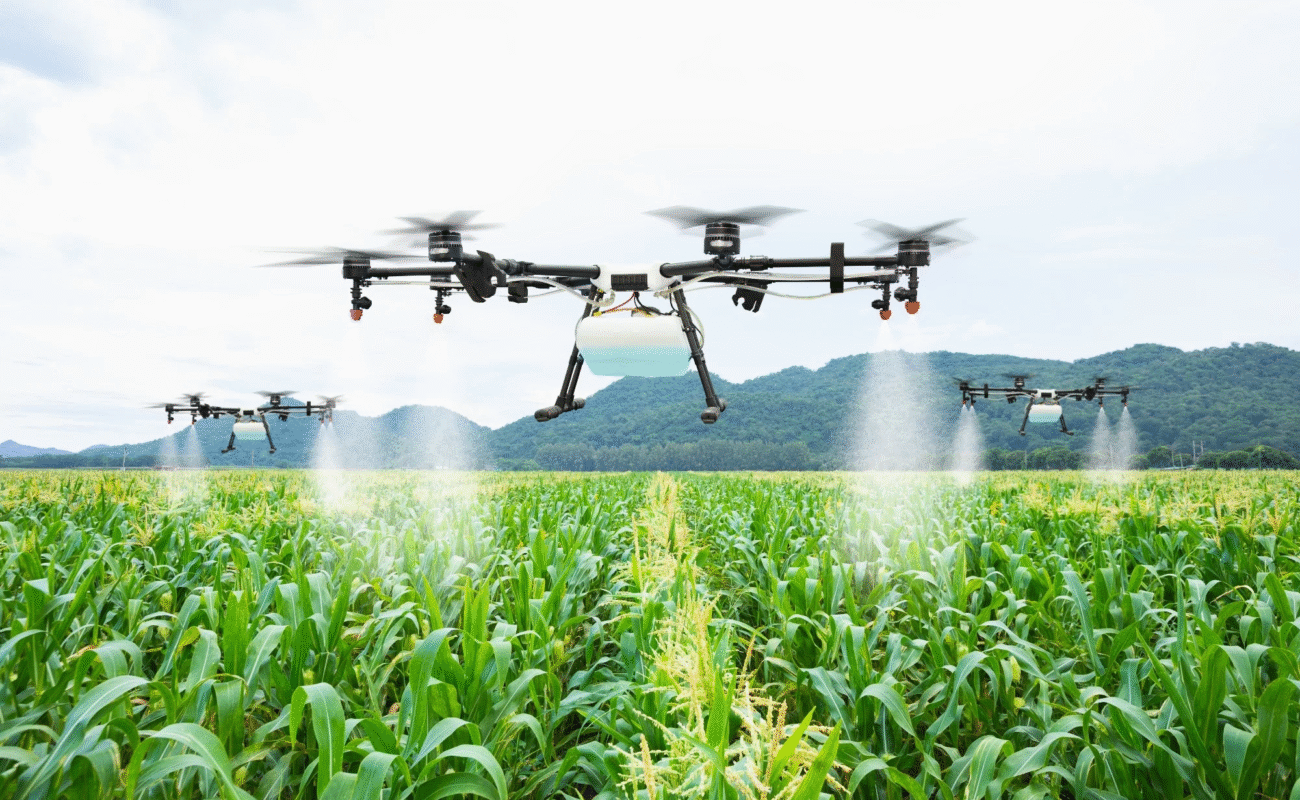
🔹 2. AI-Powered Crop Monitorin
AI-driven drones and satellite imagery help farmers monitor fields in real-time. These technologies:
- Detect early signs of disease in plants
- Identify water stress or nutrient deficiencies
- Map soil conditions to optimize fertilizer usage
Example: Companies like IBM Watson Decision Platform for Agriculture use AI to give farmers weather-based predictions and personalized crop management tips.
🔹 3. Precision Farming with AI
Precision farming ensures that seeds, fertilizers, and pesticides are used only where and when needed. AI-based sensors in fields:
- Analyze soil moisture levels
- Measure temperature and humidity
- Recommend precise irrigation schedules
This reduces resource wastage, lowers costs, and improves productivity.
🔹 4. AI in Pest and Disease Control
AI models trained on thousands of plant images can identify pests and diseases instantly. Mobile apps now allow farmers to:
- Take a picture of a crop
- Get instant diagnosis of the disease
- Receive treatment recommendations
Example: Plantix, an AI-powered app, provides farmers with crop health solutions and connects them with suppliers.
🔹 5. Smart Irrigation with AI
Water scarcity is a major agricultural issue. AI-powered irrigation systems use data from soil sensors and weather forecasts to:
- Automate irrigation schedules
- Prevent overwatering and water loss
- Save water while maintaining healthy crops
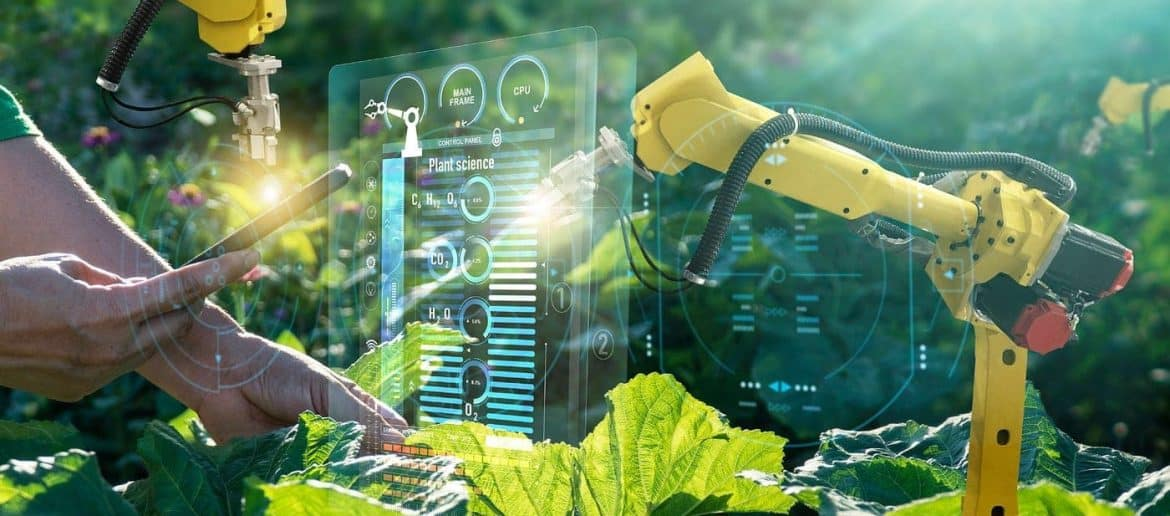
🔹 6. Autonomous Farming Machines
AI-powered tractors, harvesters, and drones are reducing the need for manual labor. These machines:
- Plant seeds with precision
- Spray pesticides only on affected areas
- Harvest crops more efficiently
This not only saves time but also increases accuracy in farming operations.
🔹 7. AI in Supply Chain and Market Forecasting
AI doesn’t stop at the farm—it extends to the agricultural supply chain. By analyzing market demand, weather patterns, and logistics, AI helps:
- Predict crop prices
- Reduce food waste through better storage and distribution
- Improve decision-making for farmers on when to sell crops
🔹 8. Benefits of AI in Agriculture
- 🌍 Sustainable use of natural resources
- 📈 Increased crop yields and farmer income
- 🌱 Reduced use of chemicals and pesticides
- 🤖 Automation reduces dependency on labor
- 🔮 Predictive analytics for better planning
🔹 9. Challenges of AI in Agriculture
Despite its potential, AI adoption in farming faces challenges:
- High cost of smart equipment and sensors
- Lack of technical knowledge among farmers
- Limited internet access in rural areas
- Data privacy and ownership concerns
🔹 10. The Future of AI in Farming
As AI becomes more affordable, it will be integrated into small farms as well as large agricultural businesses. Future possibilities include:
- AI-driven robotic farms
- Fully automated greenhouses
- Blockchain combined with AI for transparent food supply chains
The ultimate goal is to create climate-smart, sustainable, and efficient agriculture that ensures global food security.
🌾 Conclusion
Artificial Intelligence in agriculture is more than just technology it’s a lifeline for the future. From precision farming to smart irrigation and market forecasting, AI is transforming farming into a data-driven, efficient, and sustainable process. Farmers who adopt smart tech today are preparing for a safer, greener, and food-secure tomorrow.