
🌍 Introduction
The modern era of digital health has been shaped by one of the most influential innovations of the past decade: wearable technology. Devices like smartwatches, fitness trackers, and health-monitoring wearables have gone beyond being fashion accessories — they are now powerful healthcare companions.
From monitoring heart rate to tracking daily steps, sleep cycles, stress levels, and even detecting irregular heart rhythms, wearable technology is transforming personal health management. With the rise of artificial intelligence (AI), the Internet of Things (IoT), and mobile health apps, wearables have become an integral part of preventive healthcare and fitness lifestyles.
📱 What is Wearable Technology?
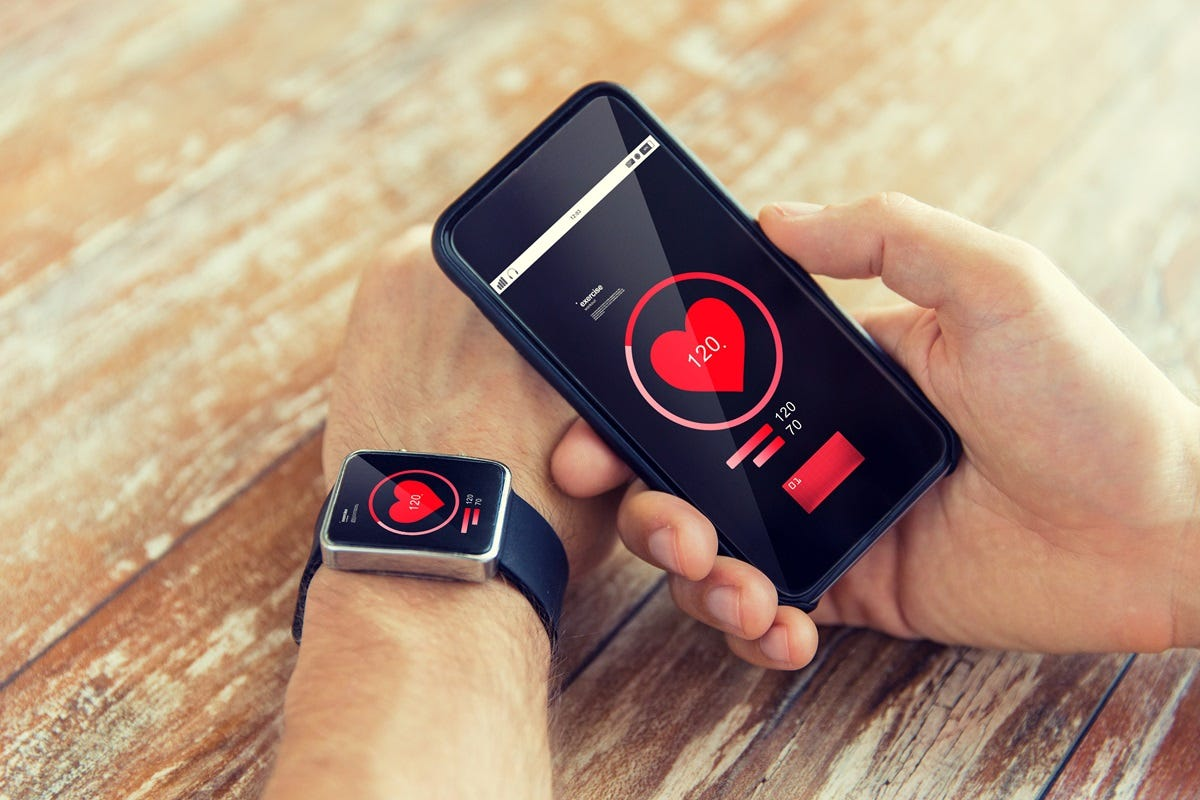
Wearable technology refers to smart electronic devices that can be worn on the body, either as an accessory or embedded in clothing. The most popular examples are smartwatches, fitness bands, and health trackers. These devices are equipped with sensors, connectivity features, and data processing systems to continuously monitor and provide feedback on various health and lifestyle metrics.
⌚ Smartwatches – Beyond Just Timekeeping
- Health Monitoring
- Smartwatches measure heart rate, blood oxygen (SpO₂), and ECG (Electrocardiogram).
- Early detection of irregularities such as atrial fibrillation (AFib).
- Fitness Tracking
- Count steps, calories burned, distance covered, and workout intensity.
- Multi-sport tracking for running, cycling, swimming, and gym workouts.
- Lifestyle Features
- Notifications for calls, emails, and messages.
- Integration with apps for meditation, hydration reminders, and productivity.
- Emergency Alerts
- Fall detection and SOS features that can alert emergency contacts.
- GPS tracking for outdoor activities, ensuring safety.
🏃 Fitness Trackers – Personal Wellness Coaches
- Step & Calorie Tracking
- Encourages physical activity by setting daily goals.
- Keeps track of calorie expenditure to support weight management.
- Sleep Tracking
- Monitors REM, deep, and light sleep cycles.
- Provides insights for improving sleep quality.
- Stress & Recovery Monitoring
- Tracks stress levels through heart rate variability (HRV).
- Suggests relaxation techniques like breathing exercises.
- Hydration & Nutrition Support
- Reminders to drink water.
- Integration with diet tracking apps to balance food intake.
🩺 Health Benefits of Wearable Technology
- Preventive Healthcare
- Continuous monitoring helps detect early signs of illness.
- Encourages healthy habits through regular activity reminders.
- Chronic Disease Management
- Helpful for patients with diabetes, hypertension, and heart conditions.
- Syncs data with healthcare providers for remote monitoring.
- Mental Health Support
- Stress detection and guided breathing sessions.
- Encourages mindfulness and better sleep routines.
- Increased Physical Activity
- Studies show that fitness trackers motivate people to walk more and exercise regularly.
- Gamification (badges, achievements) makes fitness fun and engaging.
- Improved Patient-Doctor Communication
- Wearables provide data-driven insights for accurate diagnosis.
- Enables telemedicine and remote patient monitoring.
🌐 Integration with Technology
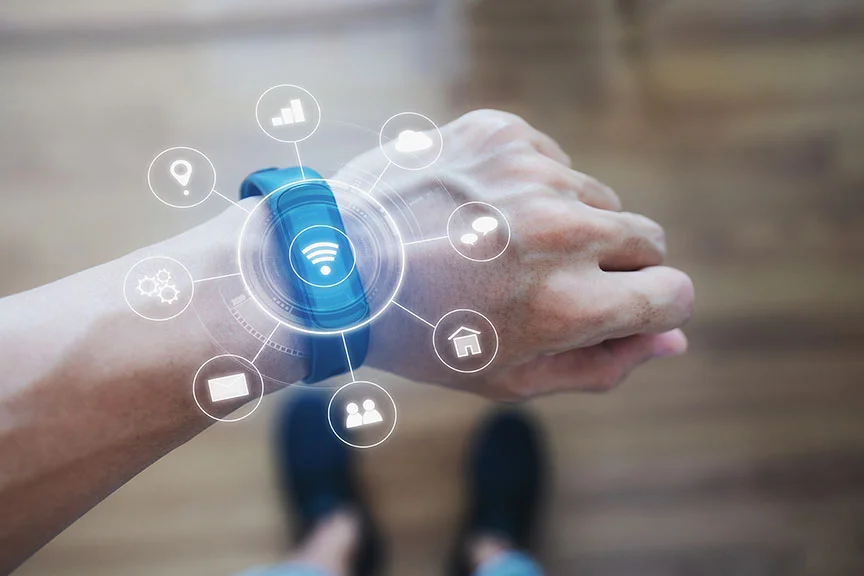
- IoT & Cloud: Wearables connect with smartphones and cloud systems for seamless data storage and analysis.
- AI & Machine Learning: Predictive analytics can detect health risks before they become critical.
- Smart Healthcare Ecosystem: Integration with hospital systems, insurance companies, and digital health records.
🚀 Future of Wearable Technology
- Advanced Sensors – Blood sugar monitoring without needles, hydration sensors, and blood pressure cuffs.
- Smart Clothing – Clothes with built-in sensors for athletes and patients.
- AI-Powered Wearables – Personalized coaching, predictive healthcare, and early disease detection.
- Medical-Grade Devices – FDA-approved smartwatches for heart health and chronic disease management.
- Mental Wellness Integration – Wearables focusing on anxiety, depression, and stress management.
⚠️ Challenges of Wearable Technology
- Data Privacy & Security – Sensitive health data can be misused if not protected.
- Accuracy Concerns – Some devices may show inconsistent results.
- Cost & Accessibility – Premium devices are expensive for developing countries.
- Over-Reliance – People may depend too much on wearables instead of consulting doctors.
🌍 Conclusion
Wearable technology has gone from being a fitness trend to a healthcare revolution. Smartwatches and fitness trackers empower individuals to take charge of their health, encourage active lifestyles, and provide life-saving alerts in emergencies.
While challenges like cost, privacy, and accuracy remain, the benefits far outweigh the drawbacks. With rapid advancements in AI, sensors, and connectivity, wearable technology is set to become an essential part of preventive healthcare, fitness, and wellness management.
The future of healthcare is on your wrist making every heartbeat, every step, and every breath count.